
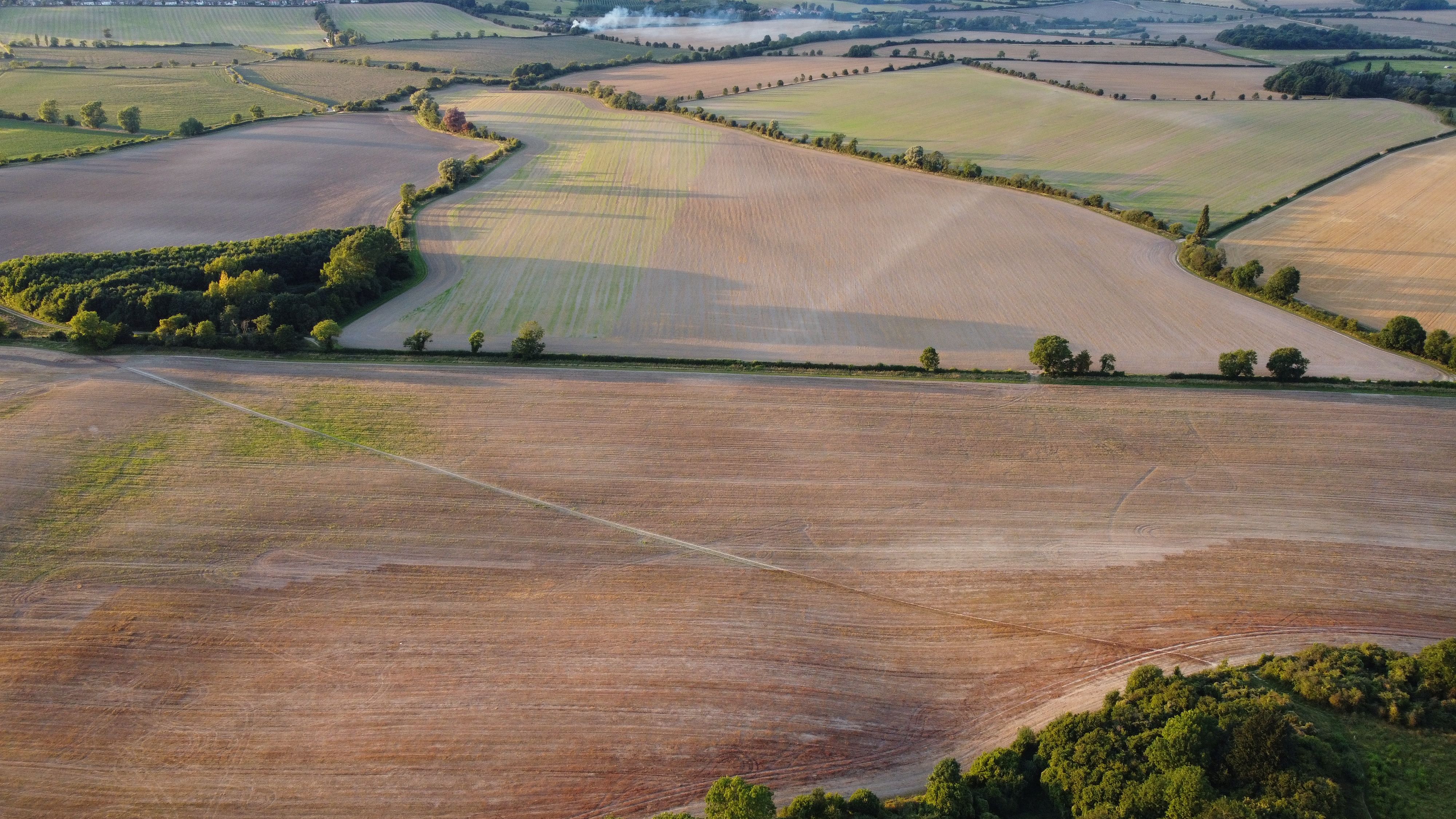
The 2026 UK Drought: What Could It Mean for Your Business?
The UK is experiencing one of the most significant periods of drought in recent years, with almost three-quarters of England now officially classified as being in drought.
For businesses, the effects may extend well beyond water restrictions. Prolonged dry weather can affect operating costs, supply chains, staffing, insurance, cash flow and, for some industries, revenue.
As accountants, we often encourage businesses to look beyond their immediate figures and consider the risks that could affect profitability and cash flow over the months ahead. The current drought is a good example of why forward planning matters.
How serious is the current drought?
The Environment Agency reported on 10 August that 71.3% of England was officially in drought, with four additional areas moving into drought status. The exceptionally dry conditions have put increasing pressure on agriculture, public water supplies, navigation and the environment.
The situation has also led to temporary water-use restrictions across a number of water company areas. Government drought reports have highlighted declining river flows, reduced reservoir and groundwater levels and increasing pressure on water resources.
Although rainfall is now returning to some parts of the country, a few days of heavy rain will not necessarily reverse the underlying water shortage. Significant and sustained rainfall is needed to replenish groundwater, reservoirs and rivers.
Which businesses could be most affected?
The impact will vary considerably between industries.
Agriculture and food production
Farmers are among those facing the most immediate consequences. Dry conditions can reduce crop yields, affect livestock grazing and increase the need for purchased feed and water.
The government has recently announced additional support for farmers, including temporary flexibility within certain environmental schemes, an additional £50 million for the 2026 Sustainable Farming Incentive and funding of up to £15 million for on-farm reservoirs.
For agricultural businesses, it is particularly important to keep an eye on:
- Reduced yields and sales
- Increased feed and water costs
- Additional irrigation costs
- Equipment and infrastructure investment
- Government grants and support
- Changes to cash-flow requirements
Hospitality and leisure
Hotels, restaurants, pubs, garden centres, golf courses and leisure businesses can also be affected.
Restrictions on water use may increase operating costs or limit certain activities. At the same time, extreme weather can change customer behaviour. Some businesses may benefit from increased domestic tourism or outdoor spending, while others could experience reduced footfall.
The important point is that the financial impact won’t necessarily be the same for every business.
Construction and property
Water shortages and restrictions could create additional challenges for construction and development projects, particularly where water availability is an important consideration.
Businesses involved in construction should consider whether drought conditions could lead to:
- Delays to projects
- Increased material or operating costs
- Changes to project timelines
- Additional compliance requirements
- Cash-flow pressure from delayed completion
If a project is already operating on tight margins, even relatively small increases in costs can have a significant effect on profitability.
Don’t forget about your cash flow
One of the biggest risks during periods of uncertainty is assuming that a profitable business will automatically have enough cash.
For example, imagine your costs increase because of higher utility bills, additional stock requirements or supply-chain disruption, while customers take longer to pay.
Your profit may still look reasonable on paper, but the amount of cash available in your bank account could fall significantly.
This is why businesses should consider updating their cash-flow forecasts and stress-testing their finances.
Ask yourself:
What happens if my costs increase by 5%, 10% or 15%?
What happens if sales fall for three months?
Could the business continue operating if a major customer delayed payment?
Do I have sufficient cash reserves to deal with an unexpected increase in costs?
These are useful questions regardless of the drought, but periods of economic and environmental uncertainty make them particularly relevant.
Review your business expenses
The drought is also a useful reminder to review your overheads.
Look at your major recurring expenses and consider whether there are opportunities to reduce waste or improve efficiency.
For example, you might review:
- Energy consumption
- Water usage
- Insurance
- Vehicle costs
- Supplier contracts
- Subscriptions
- Premises costs
- Stock levels
- Financing arrangements
Small savings across several areas can make a meaningful difference to annual profitability.
Keep an eye on government support
Businesses affected by exceptional weather conditions should monitor government announcements for relevant financial support, grants, tax measures or temporary changes to regulations.
Support can be industry-specific, so it’s important not to assume that a scheme available to one type of business will automatically apply to another.
If your business has been materially affected, speak to your accountant before making decisions based on a grant or relief. Eligibility criteria and deadlines can matter.
What should business owners do now?
There is no need to panic, but there is a good reason to plan.
We recommend that business owners:
- Review their cash-flow forecast.
- Identify which costs could increase if drought conditions continue.
- Consider alternative suppliers where appropriate.
- Review business interruption and other relevant insurance cover.
- Check whether any grants or government support may be available.
- Review pricing and profit margins.
- Build a sensible cash reserve where possible.
- Speak to their accountant if they anticipate financial pressure.
Planning for uncertainty
The current drought is a reminder that businesses can be affected by risks that aren’t immediately visible in their accounts.
Good financial planning isn’t simply about preparing year-end accounts and calculating tax. It is also about understanding what could happen to your business if circumstances change.
Whether you’re concerned about rising costs, falling sales, cash flow or investment decisions, having up-to-date financial information can help you make better decisions.
How can we help?
If your business is being affected by the current drought—or you’re simply concerned about what the changing economic environment could mean for your finances—we can help you review your numbers and plan ahead.
Get in touch with PSF Accounting to discuss your business’s finances and find out how we can help you prepare for uncertainty.